The Saint of Bazidpur
Fazihat Shah Warsi
Scholar, saint, and servant of humanity — his legacy of love, unity, and brotherhood continues to shape the Bazidpur family across generations.
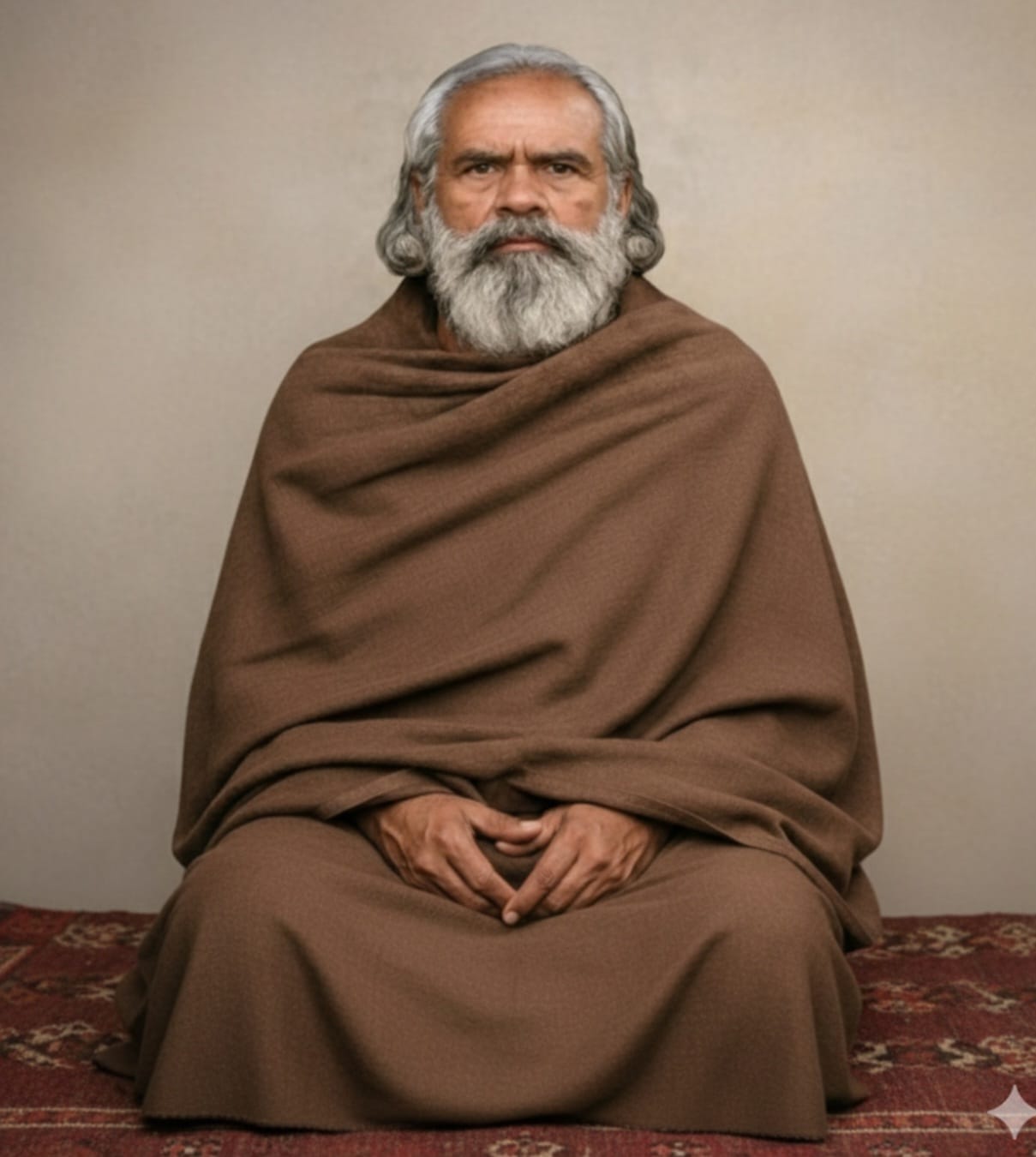
Zahoor Ali · Fazihat Shah Warsi
c. 1830 — 1905 · Bazidpur, Bihar, India
Warsi Sufi Order
Early Life
Born into privilege, destined for purpose
Born around 1830 AD in the Gaya district of Bengal (now Bihar), Zahoor Ali was the only son of Noor Ali — the Diwan (Finance Minister) of the Choubiis Pargana region under British India.
Tall, strong, and perceptive, Zahoor Ali grew up in an environment of abundant resources and high responsibility. His upbringing encompassed religious education, military training, horsemanship, falconry, and wrestling — the full breadth of a noble household's tradition.
In adult life he served as Tehsildar — the district collector — of Bazidpur and surrounding areas.
A Life of Learning
Master of many sciences
Horsemanship
Mastered riding at full speed — including the skill of picking up a peg from the ground on horseback.
Wrestling
Pursued as a noble tradition and source of pride — not merely combat, but discipline and character.
Alchemy
Studied under expert teachers, mastering the science with the trust that its secrets remain guarded.
Scripture
Studied the Bhagavad Gita to understand Hindu beliefs — a rare breadth of spiritual curiosity for his era.
The Turning Point
Meeting Hazrat Waris Ali Shah
One night, Zahoor Ali dreamed that his Peer and Murshid, Musafir Shah Sahib, told him that Hazrat Waris Ali Shah — a revered Sufi saint from Dewa, Barabanki — had stopped at Barh, a town in Bihar, and commanded him to go and meet this extraordinary man.
He rode to Barh the very next morning. Hazrat Waris Ali Shah embraced him, awarded him the title of 'Fazihat Shah', and initiated him into the Warsi Sufi order.
For many years thereafter, Fazihat Shah remained at the feet of Hazrat Waris Ali Shah in Barabanki, absorbing the Warsi teachings — a philosophy centred on unity in diversity, with no distinction of caste or religion, and an unconditional command to love.
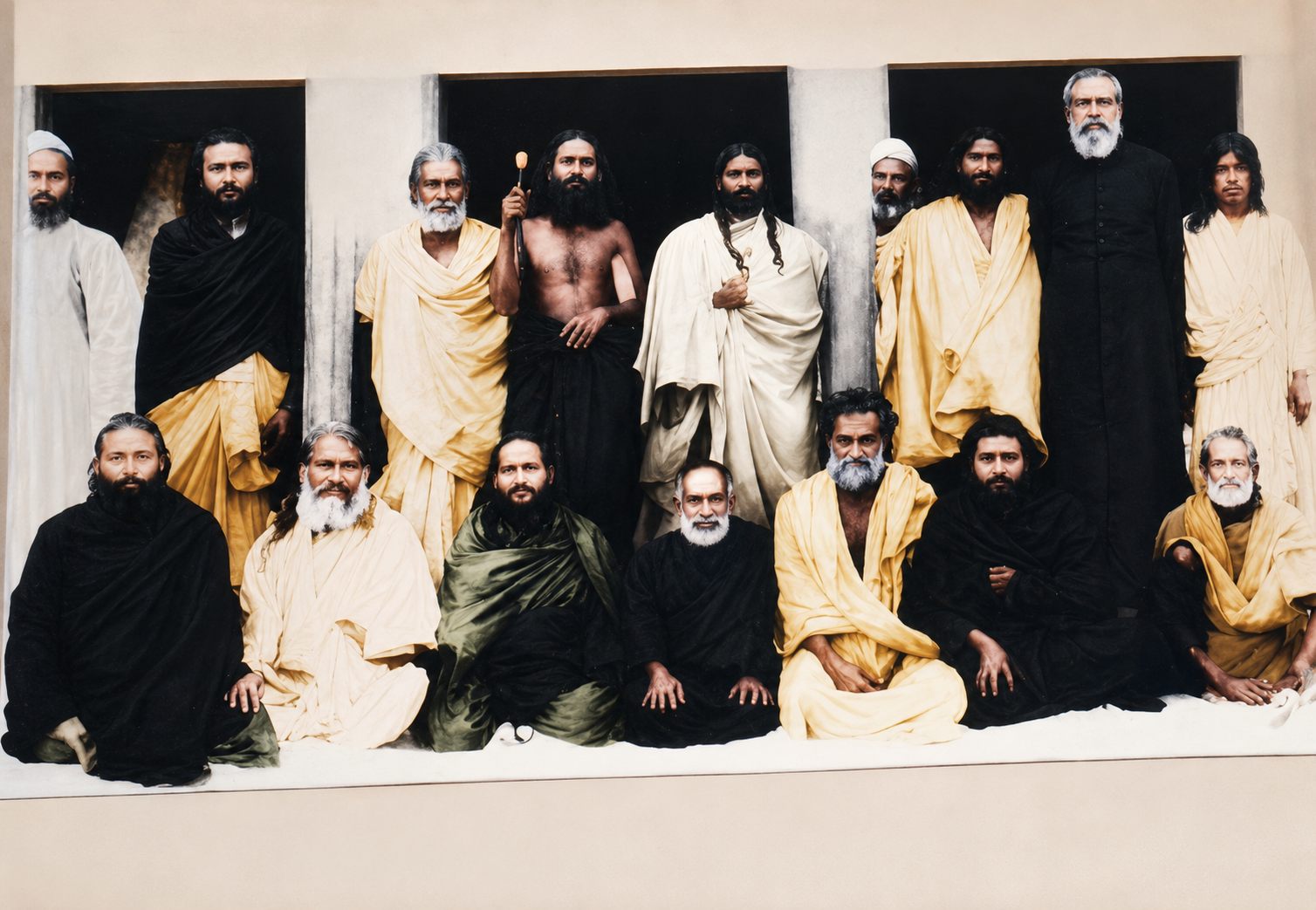
In the Company of Saints
Fazihat Shah Warsi among fellow Sufis of the Warsi order · Late 19th century
Fazihat Shah Warsi — standing, tallest figure, second from right
Fellowship & Discourse
Nourished by the company of the righteous
Fazihat Shah Warsi held a profound conviction that wisdom does not flourish in isolation — it deepens in the presence of those who have walked its path before. Throughout his life, he sought the company of the great Sufi masters and scholars of his age: men of towering learning, spiritual refinement, and moral clarity, who gathered across Bihar and beyond under the banner of the Warsi order.
These gatherings were not mere social occasions. They were living seminars of the soul — where ideas were debated with rigour, poetry recited with feeling, and the mysteries of faith explored with both humility and courage. In such circles, Fazihat Shah gave as generously as he received: sharing the values of brotherhood, unconditional love, and unity that had come to define his own spiritual voice.
A Seeker Among Seekers
What distinguished Fazihat Shah in these assemblies was not only his depth of knowledge, but his rare gift for listening. He approached every gathering as a student first — absorbing, questioning, and refining — before offering his own light to those around him.
A Living Tradition
The Warsi order to which he belonged was bound together not by geography, but by devotion — a fellowship of souls stretching across the subcontinent, united by love for the Divine and service to humanity. Fazihat Shah was a proud and luminous thread in that fabric.
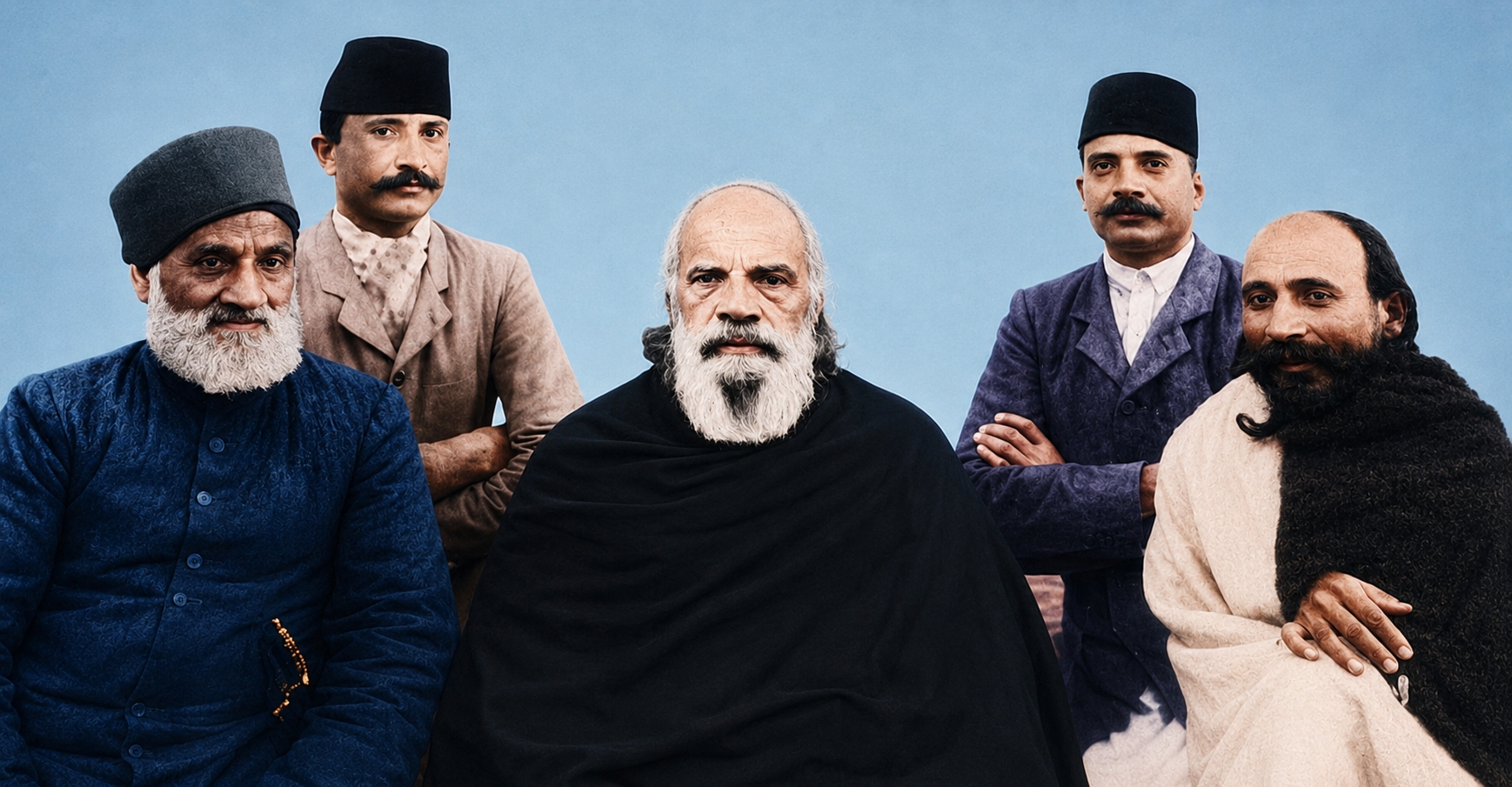
Fazihat Shah Warsi — with companions
Bazidpur, Bihar · Late 19th century
Warsi Sufi Order
Core Teachings
The Warsi way — love without condition
Unity in Diversity
No distinction based on caste, religion, or background — all are equal in the eyes of the Divine.
Unconditional Love
The command to spread love freely, without condition or expectation, as the path to divine closeness.
Service to All
Physicians healed, prayers were offered, medicines were prepared — the community served with no distinction.
Knowledge & Etiquette
Training in manners, literature, and reverence — building character as much as faith.
In Bazidpur
In Bazidpur, the atmosphere of brotherhood flourished. Gatherings were held in the mosque courtyard — physicians healed, scholars taught, and medicines were prepared by hand. Prayers were offered for all who sought them. The chain of knowledge continued unbroken.
His Voice
Fazihat Shah expressed himself with great beauty in both Persian and Urdu — his words as much a vessel of teaching as his deeds.
Legacy
At rest in Bazidpur — remembered every year
Fazihat Shah Warsi passed away in 1905 and rests peacefully outside the courtyard of the Bazidpur Mosque — the same mosque where his grandfather Shah Mahmood is buried.
Every year on the 28th of Zul-Hijjah — the date of his passing — Warsi brothers gather at his resting place. The Holy Quran is recited, prayers are offered, and his memory is kept alive across generations.
Survived by
Abul Hasan
Ali Kareem
Mehdi Hasan
Annual gathering
28th Zul-Hijjah
Bazidpur Mosque courtyard
"
His spirit lives on in every member of the Bazidpur family — reminding us of our shared roots, our duty to love without condition, and the timeless bond that unites us all.
Bazidpur Family · Est. c. 1500 AD